

Palestinian Food Should Be Named Clearly
Erasure does not always begin when food disappears. Sometimes, the food remains while the people behind it are removed. Olive oil becomes “Israeli.” Za’atar and sumac become simply “Middle Eastern.” A family recipe is shared without naming the people or place that carried it for generations.
The flavor travels. Its origin does not. That is why we believe Palestinian food should be named clearly.
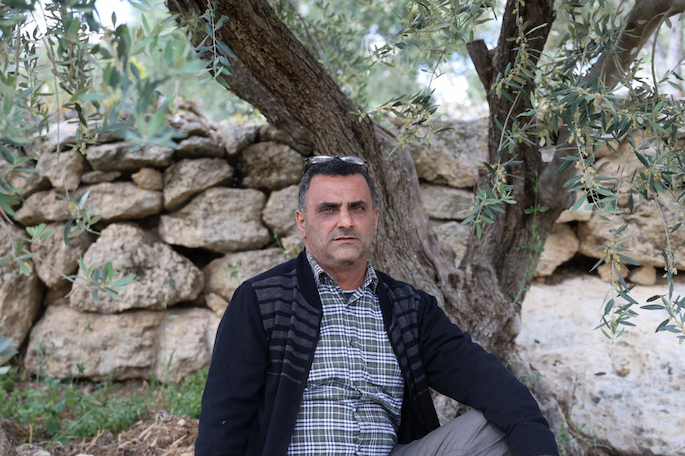
The olive oil inside the Fall Palbox comes from Mohammad Zein Al-Dein, a Palestinian farmer in Al-Yamun, Jenin. The town is frequently experiencing military raids and settler incursions. His family has cared for its land and production center across four generations. Today, Mohammad works alongside his brothers and cousins, growing Rumi olives that are rain-fed, picked by hand, and pressed within hours of harvest.
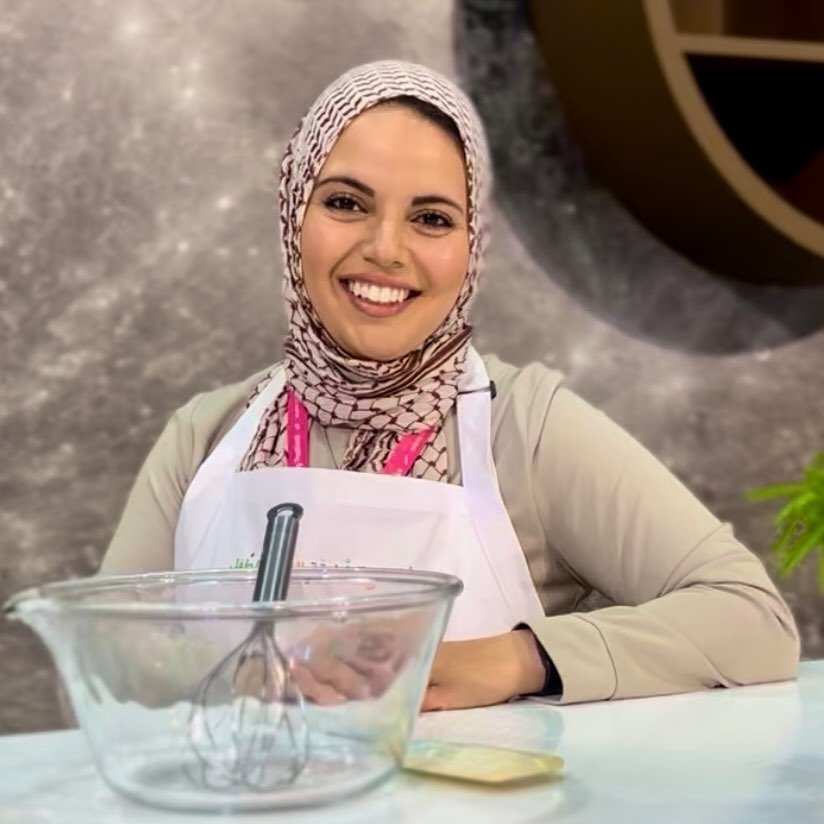
The cookbook comes from Palestinian author Heifa Odeh, whose family is from Farkha, near Salfit. Its pages carry recipes taught by her grandmothers and memories of cooking beside her mother. The sumac begins with farmers in Jenin, Nablus, and Tulkarem and is prepared through collaboration with women in Rab’a. The chips are made by a Palestinian business in Hebron.
These names and places are not extra details. They are part of the products.
Preservation requires more than remembering Palestinian culture. It requires continuing to grow it, make it, cook it, name it, and choose it.