

The Name Had to Be Palestine: Heifa Odeh's Family Story
Before we share a Palbox product, we usually begin with the person behind it. So when Heifa Odeh told us her story, we went back to Dine in Palestine and opened it differently — not first as a cookbook, but as a family story.
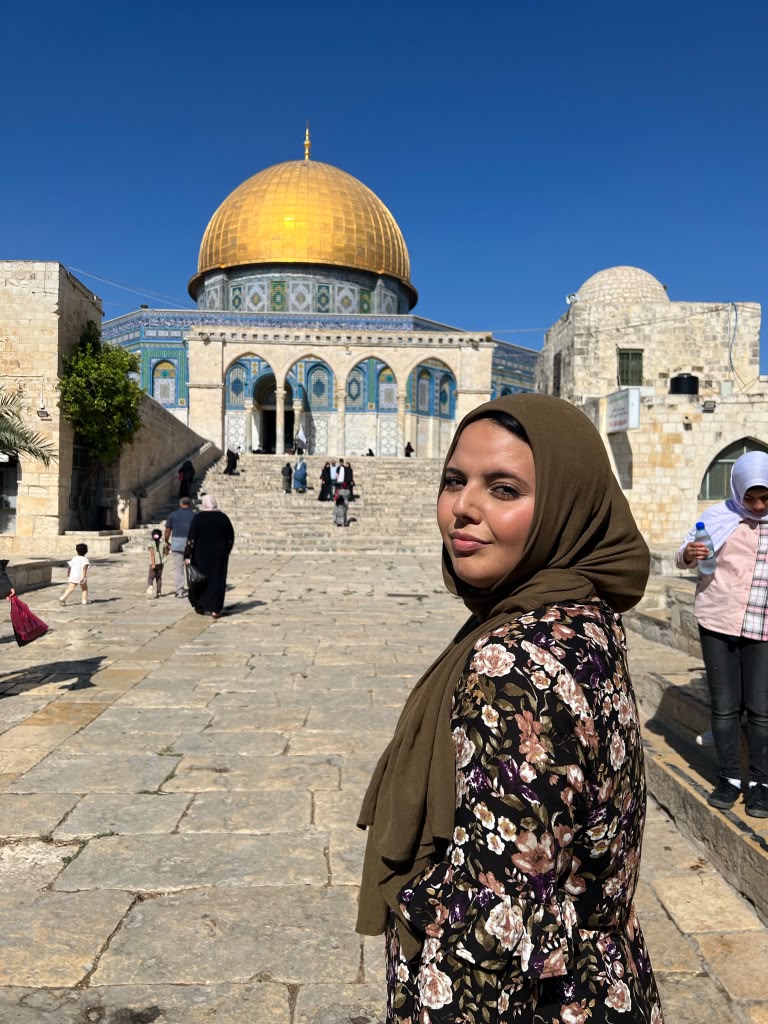
Heifa Odeh in Palestine
When Heifa was first approached to write a cookbook, she was asked to create something Mediterranean or Middle Eastern. She told us that if she was going to write one, it would be Palestinian.
That decision came before the recipes, the styling, or the cover. Palestine had to be visible in the title before anyone cooked the first dish. With help from her brother, the name Dine in Palestine was chosen.
It is an invitation into the food Heifa grew up eating, but it is also a clear refusal to let Palestinian cuisine become vague, regional, or unnamed.
Palestine had to be visible in the title before anyone cooked the first dish.
Heifa's family comes from Farkha, a village near Salfit. Many of the recipes in the book traveled through generations of her family before reaching the page. Two were taught to her by her grandmothers.
Her paternal grandmother taught her shishbarak, small meat dumplings cooked in yogurt sauce, when she was young. Her maternal grandmother taught her another dish that now holds more than a method. It holds the memory of the woman whose hands first showed Heifa how to prepare it.
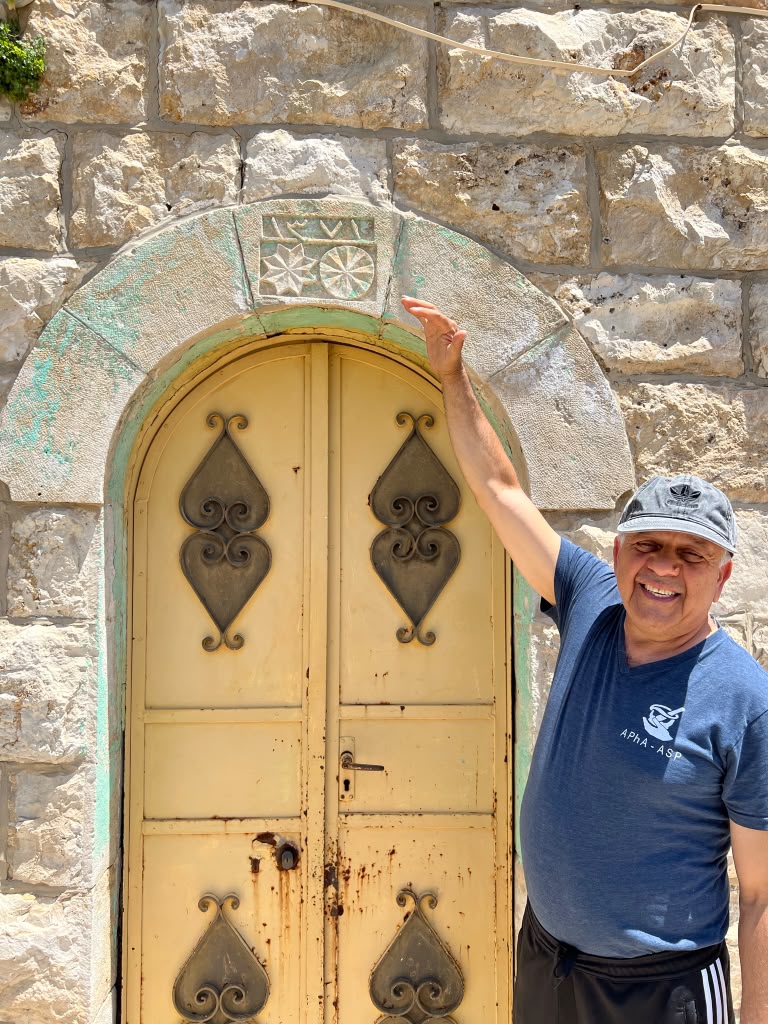
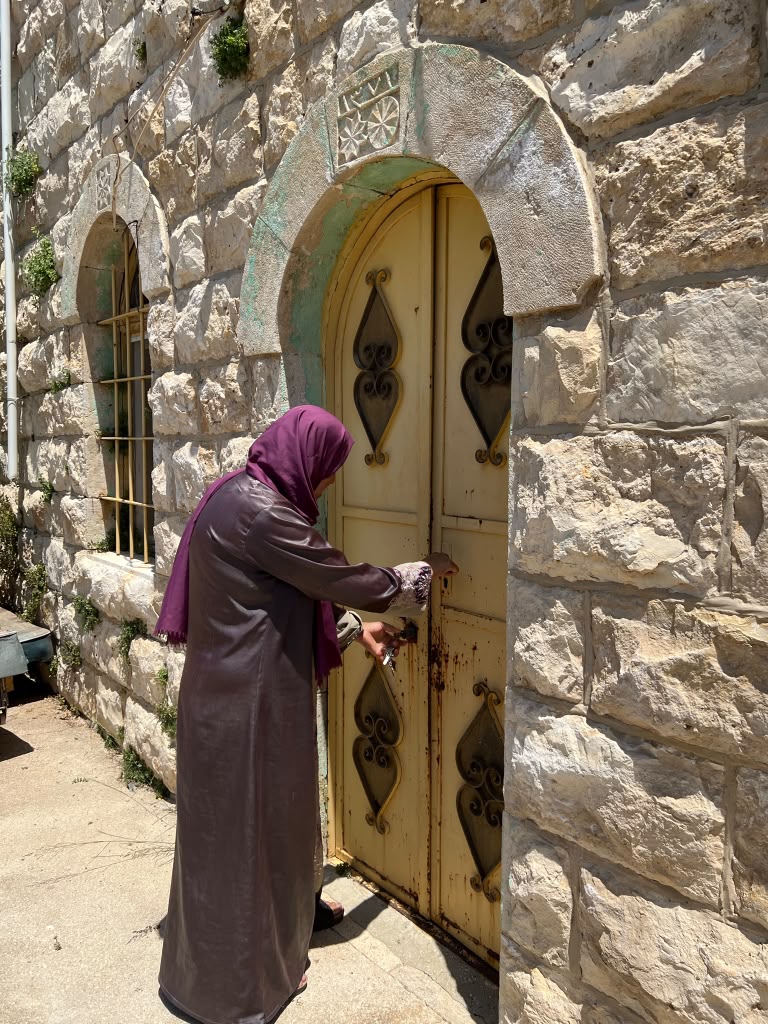
Family, place, and memory remain part of the recipes.
A family recipe teaches two things at once: what to cook, and who you are connected to while you cook it.
For Heifa, maqloubeh carries that connection. She remembers cooking beside her mother, then flipping the pot in front of family and friends while everyone waited for the layers to appear. In Dine in Palestine, she shares a vegetarian version with roasted vegetables and aromatic spiced rice.
The written recipe gives us the steps. Her story gives us the room around the pot — the people watching, the mother beside her, the small silence before the reveal.
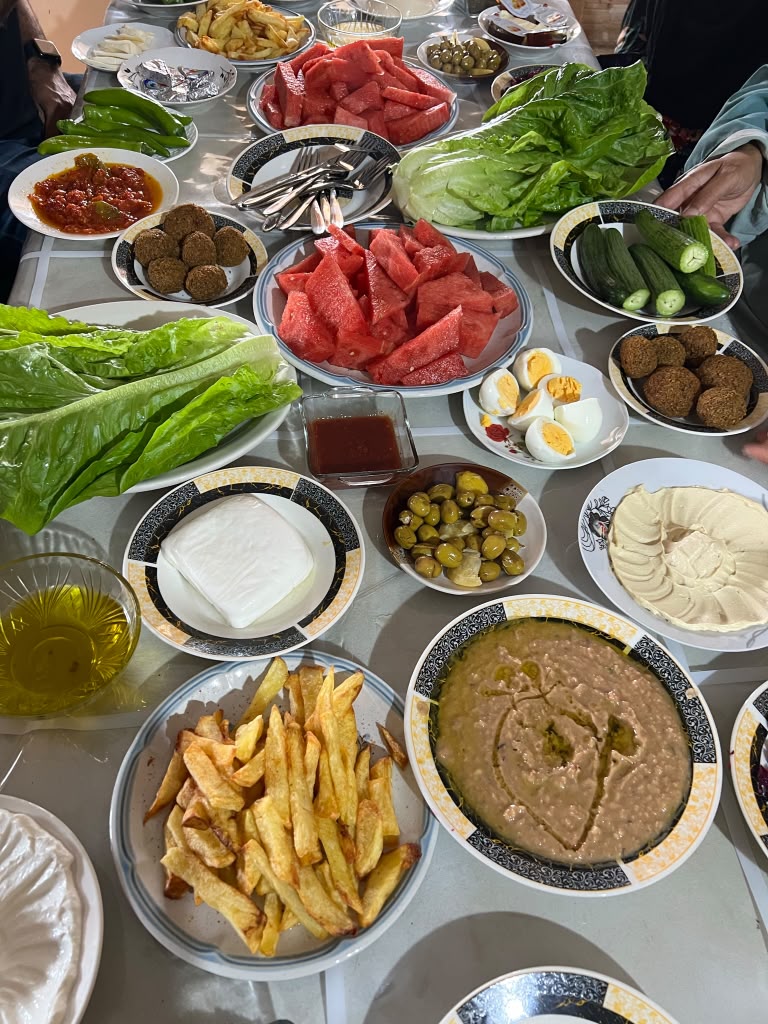
Food carries more than flavor. It carries the people around the table.
Heifa also writes from her own experience as a Palestinian raised in the United States. Alongside inherited dishes are recipes shaped by both parts of her life, including pomegranate tahini brownies and ashta fruit tarts. Preserving a cuisine does not mean freezing it — Palestinian food can travel, meet new places, and create something new without losing its name.
Food is one of the ways those stories stay audible.
For Heifa, documenting recipes is inseparable from protecting the stories around them: her grandmothers, her mother, her aunt, and the generations of people whose lives remain present in the food. Every person has a story. Food is one of the ways those stories stay audible.
— Anhar, Palbox Team