

Why No Two Palboxes Are the Same
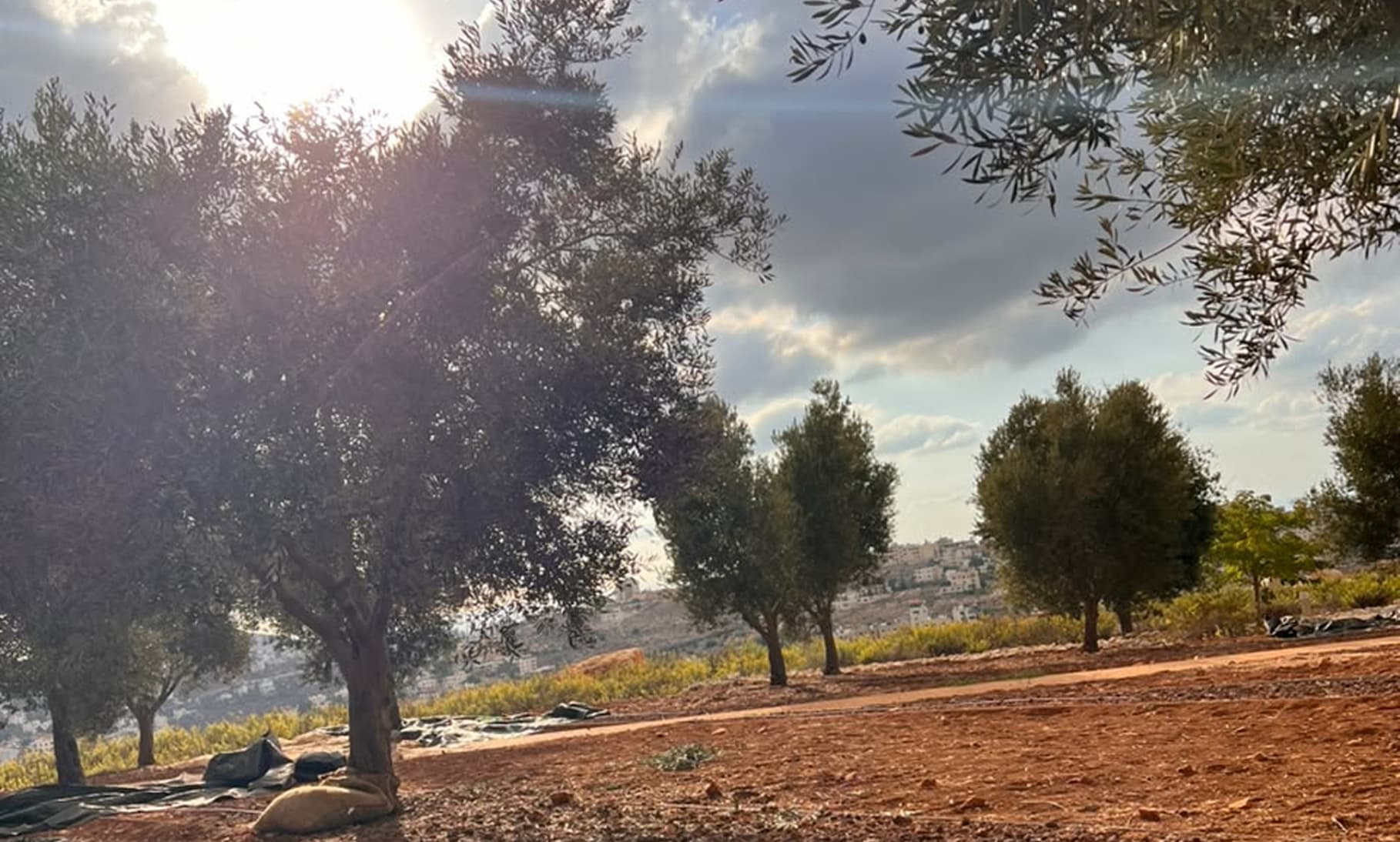
Have you ever noticed how certain Palestinian dishes seem to announce the arrival of a new season?
Before seasonal eating became a lifestyle idea, it was simply how Palestinian kitchens worked. What appeared on the table depended on what the land was giving at that moment.
Palestinians did not build the season around a recipe. They built the recipe around the season.
The land sets the menu
Seasonal eating begins with using an ingredient when it is at its best.
Autumn brings freshly pressed olive oil, grapes, pomegranates, guavas, and preserved sumac. Winter brings warming grains, legumes, leafy greens, and dishes made for colder days.
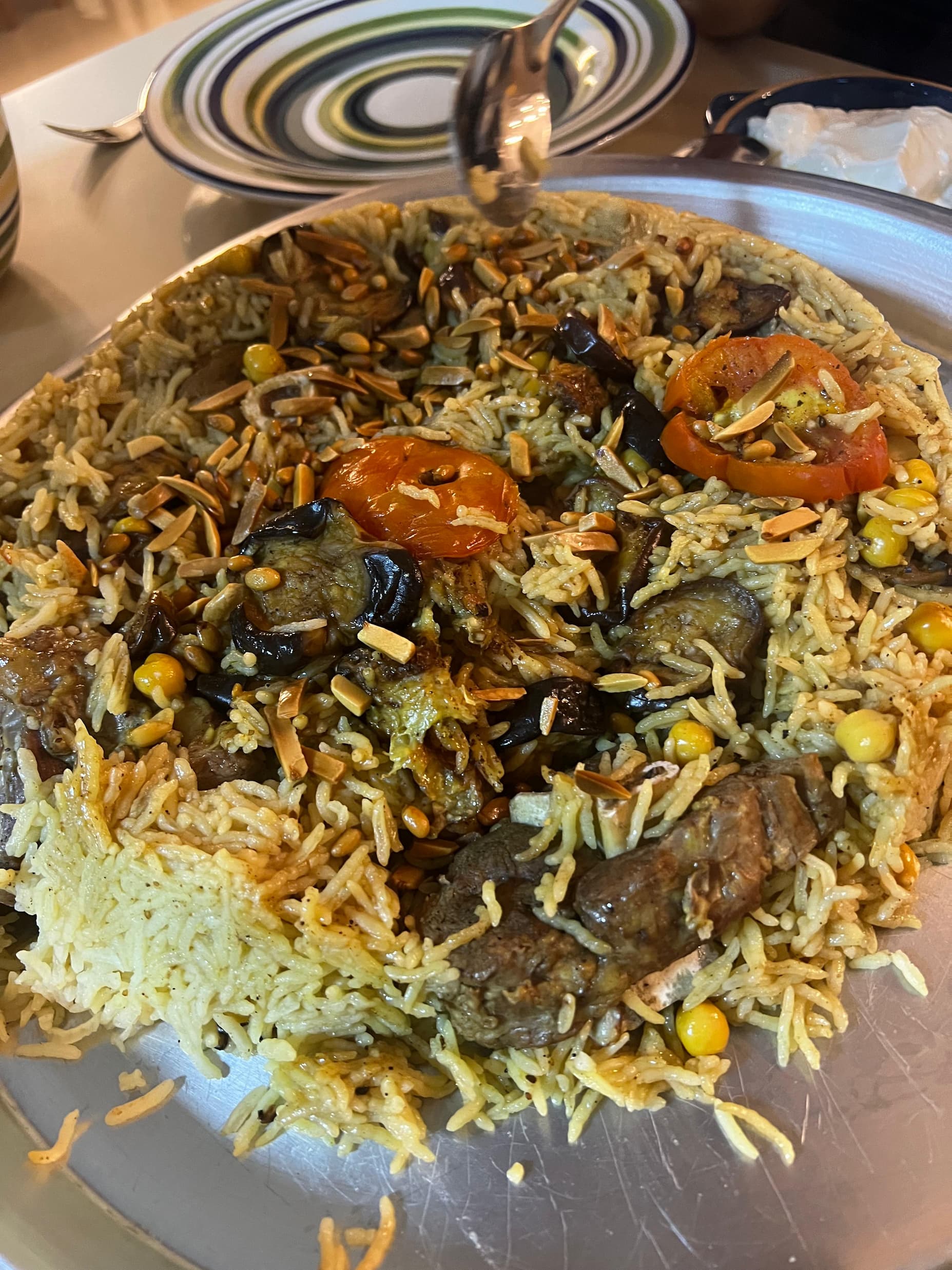
Even familiar dishes change with the land. Maqluba may be prepared with eggplant in summer and cauliflower in winter.
Eating seasonally also means preserving
A harvest does not disappear when its short season ends.
Grapes can become raisins, dibs, khabisa, or malban. Olives are pressed into oil or cured for the breakfast table. Sumac berries are dried and ground so their bright flavor can be used throughout the year.
Preservation allows a family to carry one season into the next.
It is practical, but it is also a form of knowledge passed between generations.
Every ingredient carries a place
Seasonal Palestinian food is deeply connected to geography.
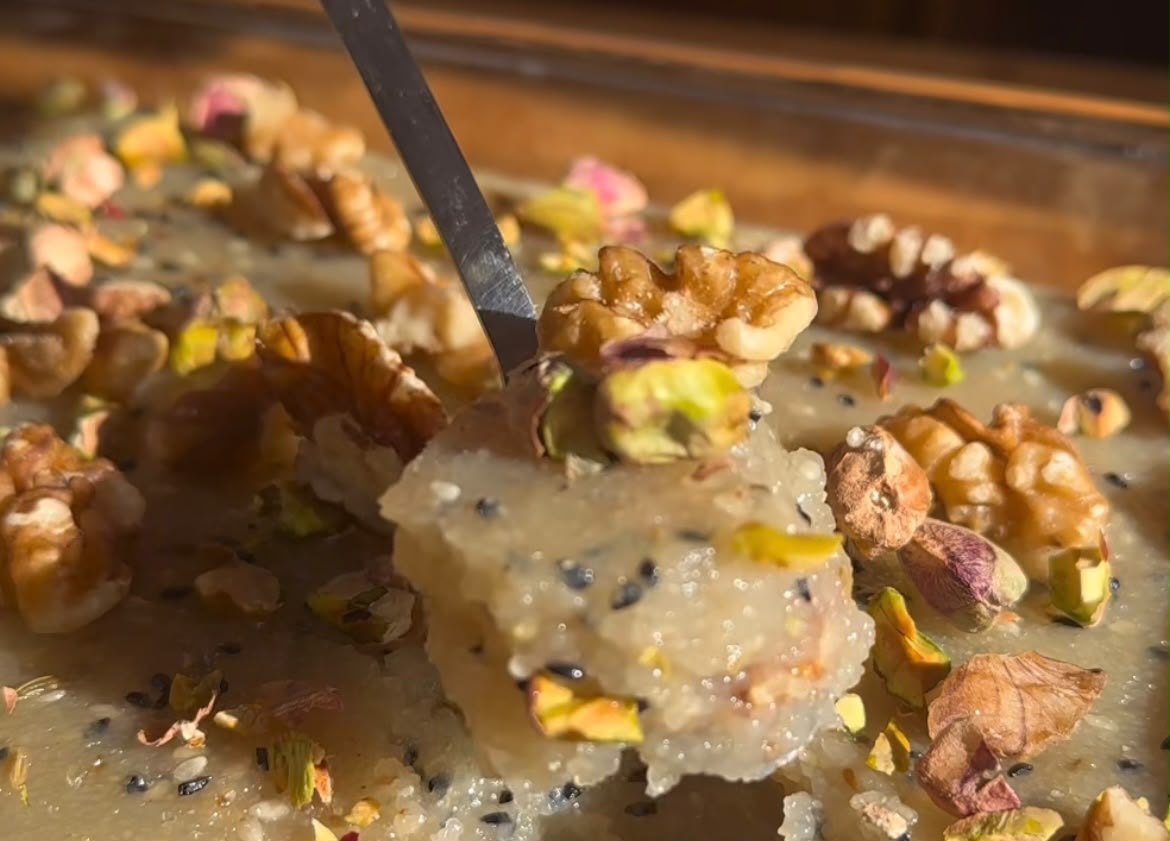
Al-Khalil is known for its grapes. Qalqilya for its guavas. Nablus for its cheese. Keeping these names attached to the food helps preserve the relationship between the ingredient, the land, and the people who grow it.
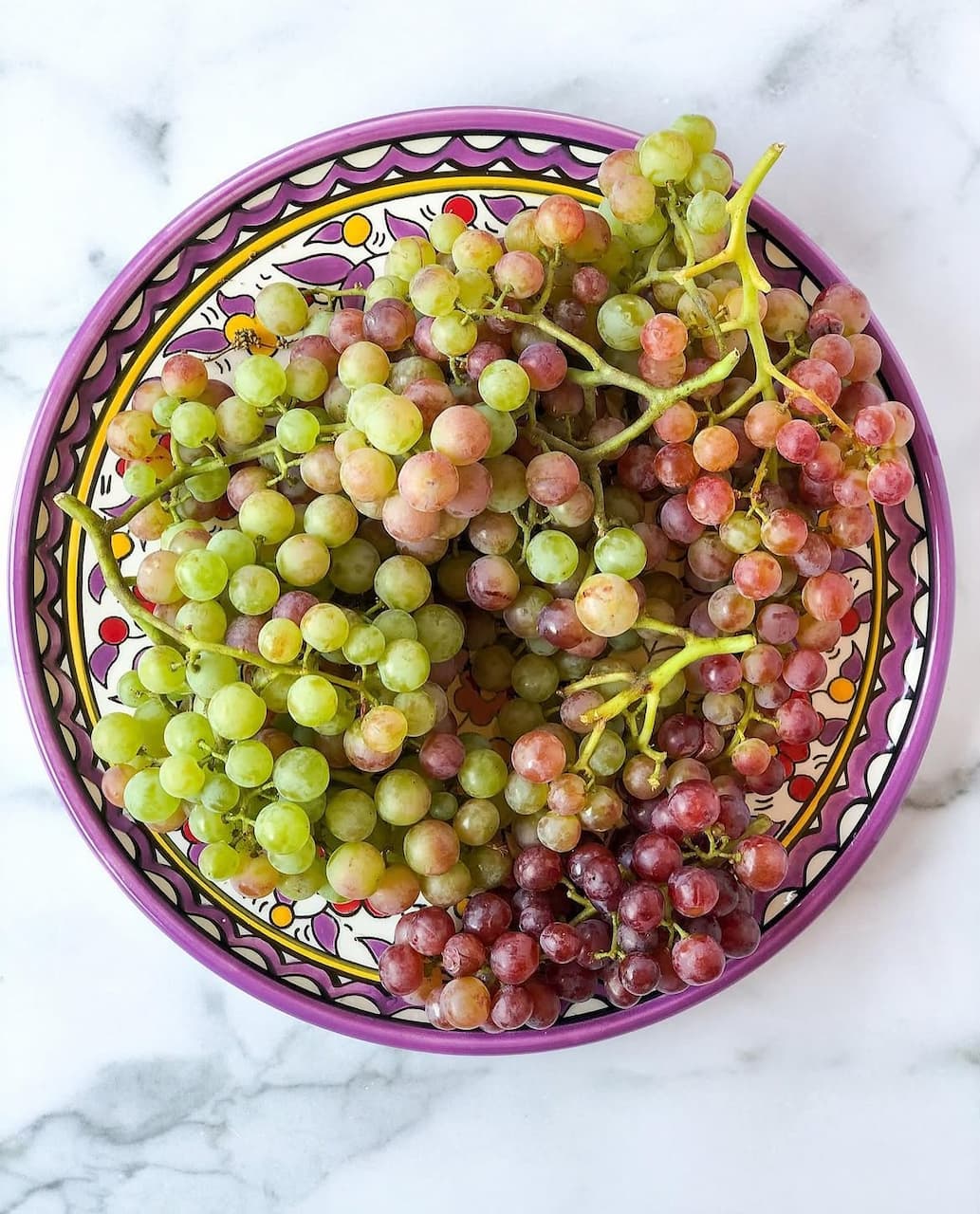
AL-KHALIL GRAPES |
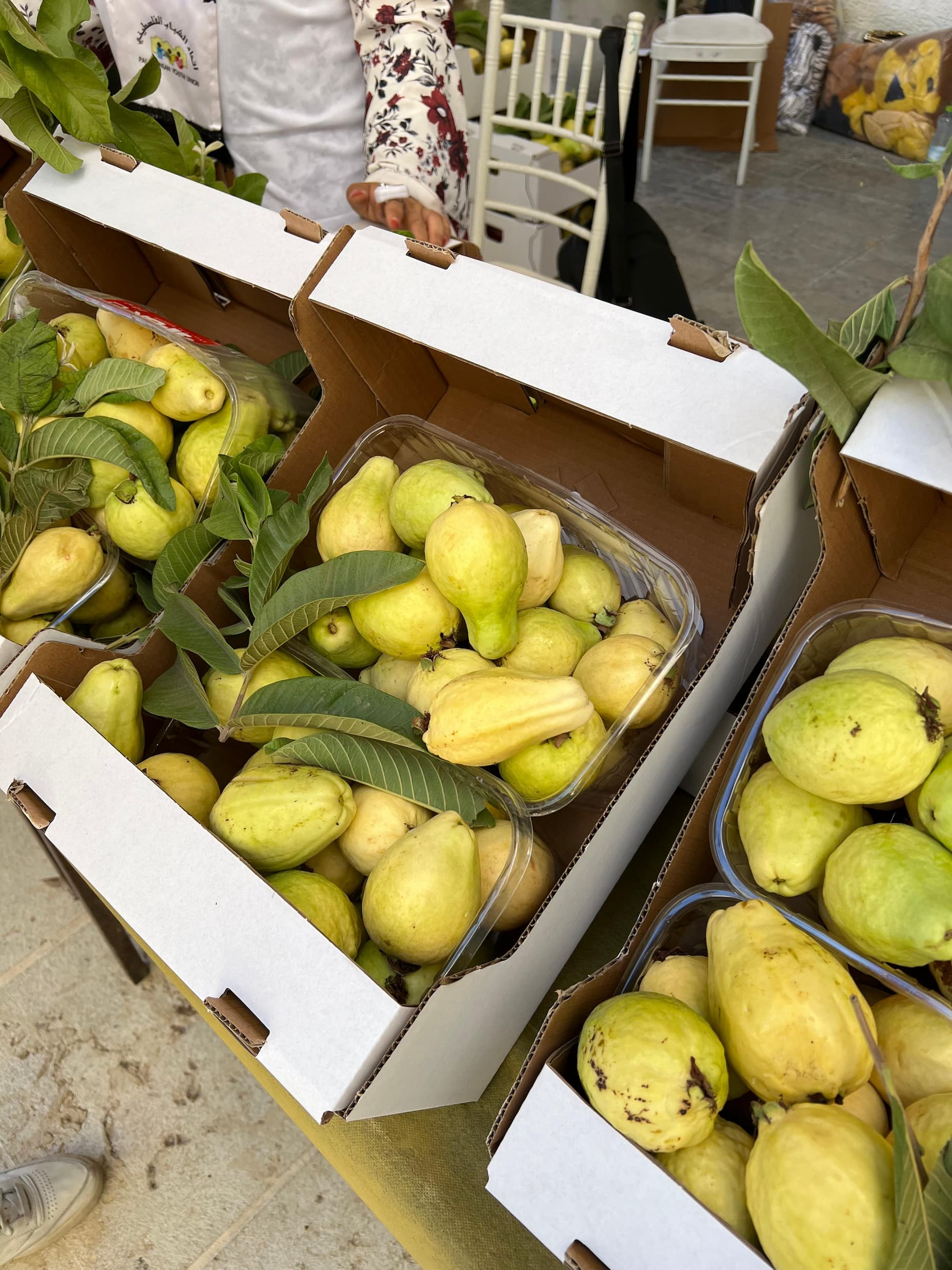
QALQILYA GUAVAS |
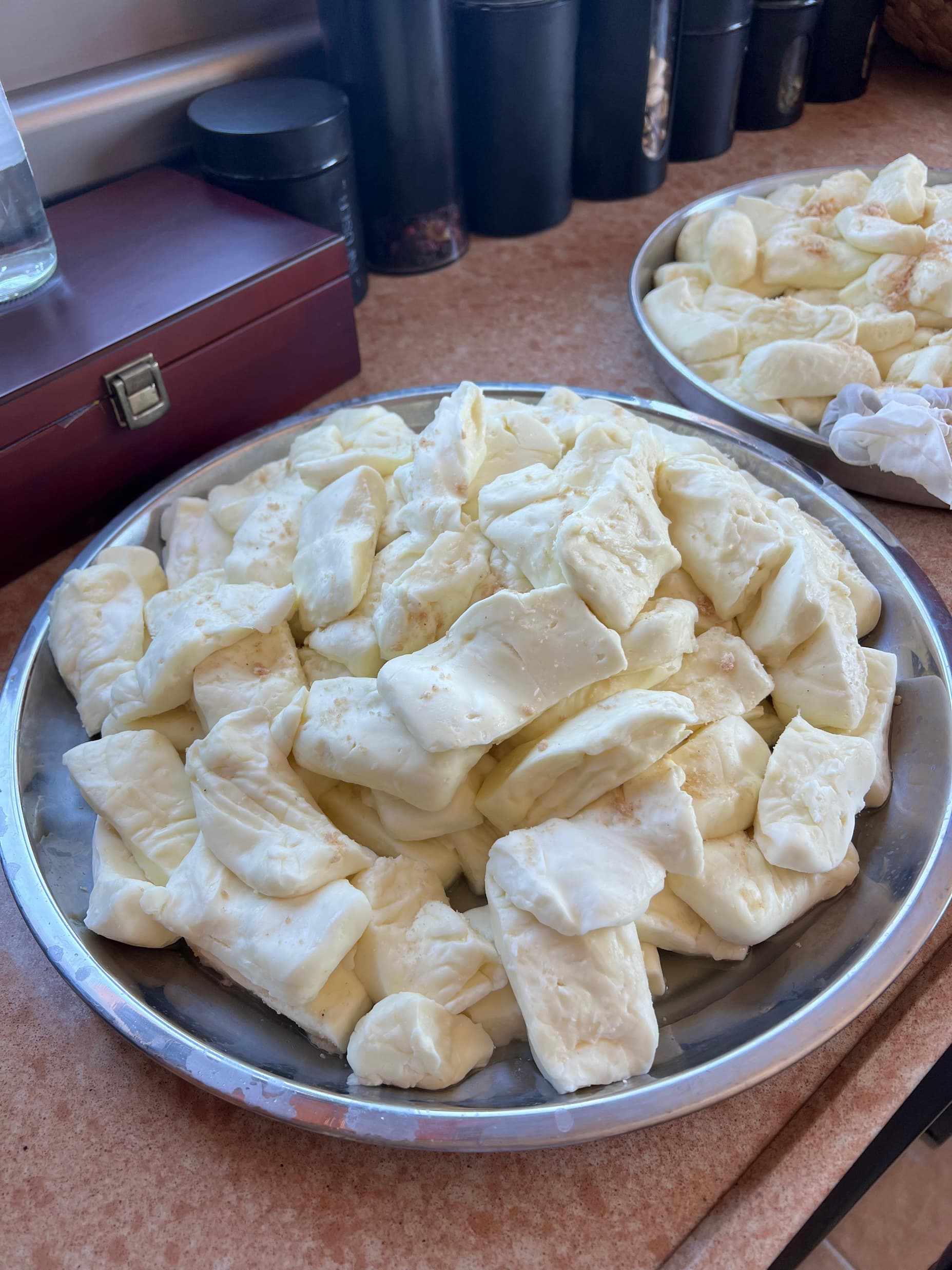
NABLUSI CHEESE |
The idea behind every Palbox
This seasonal rhythm is what Palbox reflects.
Each box changes because the Palestinian table changes. Apart from olive oil, the products are not repeated from one seasonal Palbox to the next.
Every season introduces different ingredients, makers, recipes, and stories from Palestine.
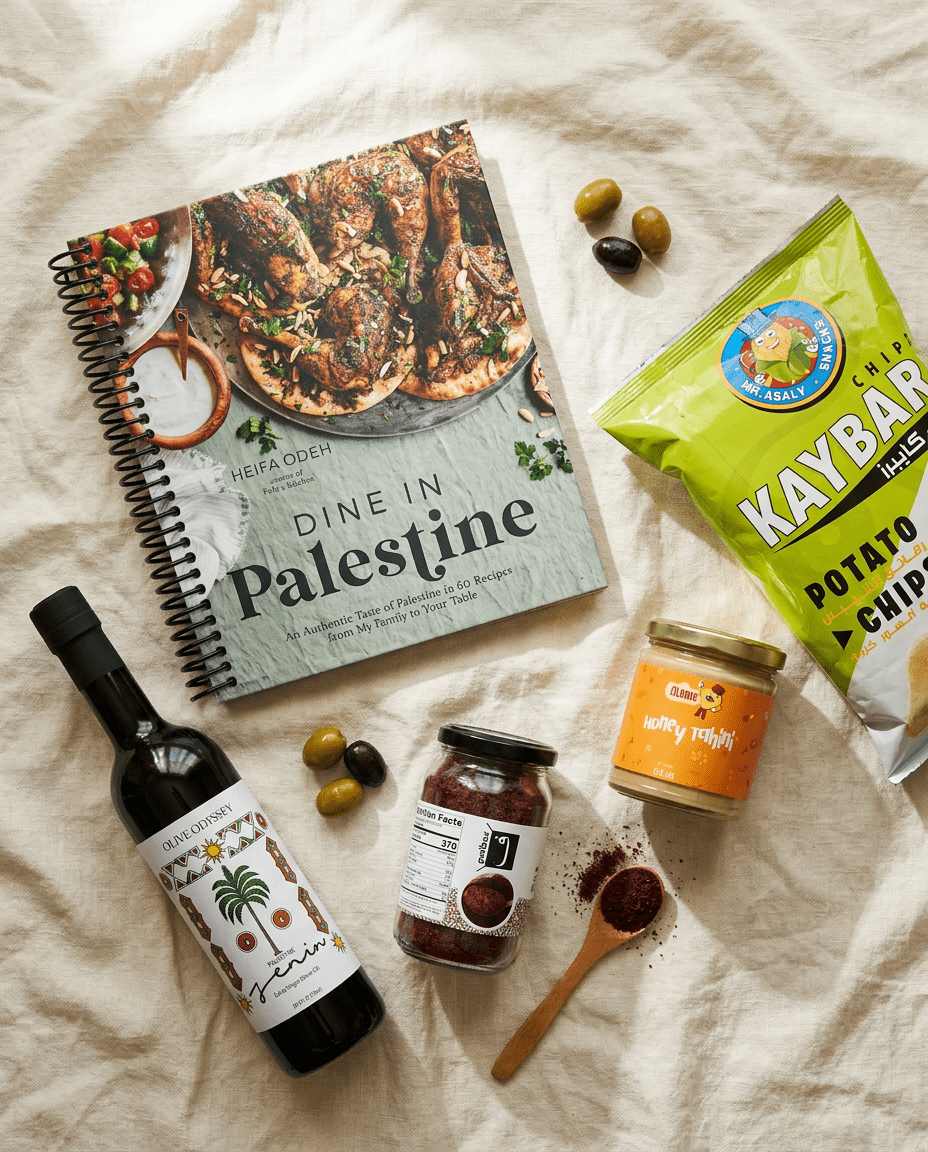
When the land changes, the table changes. And so does Palbox.